The link-rot tax: 35% of vintage listings are one-of-one
Write about vintage and most of what you can link is a peer-to-peer marketplace listing: one item, one seller, gone the moment it sells. Across eighteen nostalgia product searches on 31 August 2026, 35.5% of the 3,648 live US listings we priced came from peer-to-peer marketplaces rather than conventional retailers.
That is not a complaint about marketplaces. It is a structural fact about vintage content: a nostalgia post is written once and read for years, while the listings inside it have a half-life measured in weeks.
Disclosure that matters on a page like this: LinkToLooks runs affiliate links and has earned $0 from them to date. We are approved by no network and joined to no advertiser programme. Every number below is measured from public product feeds, not from our own earnings, because we have none to report.
The split, measured
| Category | Listings | Peer-to-peer share | P2P median | Retail median |
|---|---|---|---|---|
| Nostalgia and stationery (18 searches) | 3,648 | 35.5% | $18 | $11.99 |
| Seasonal Q4 gifting (20 searches) | 3,563 | 24.2% | $20 | $39.99 |
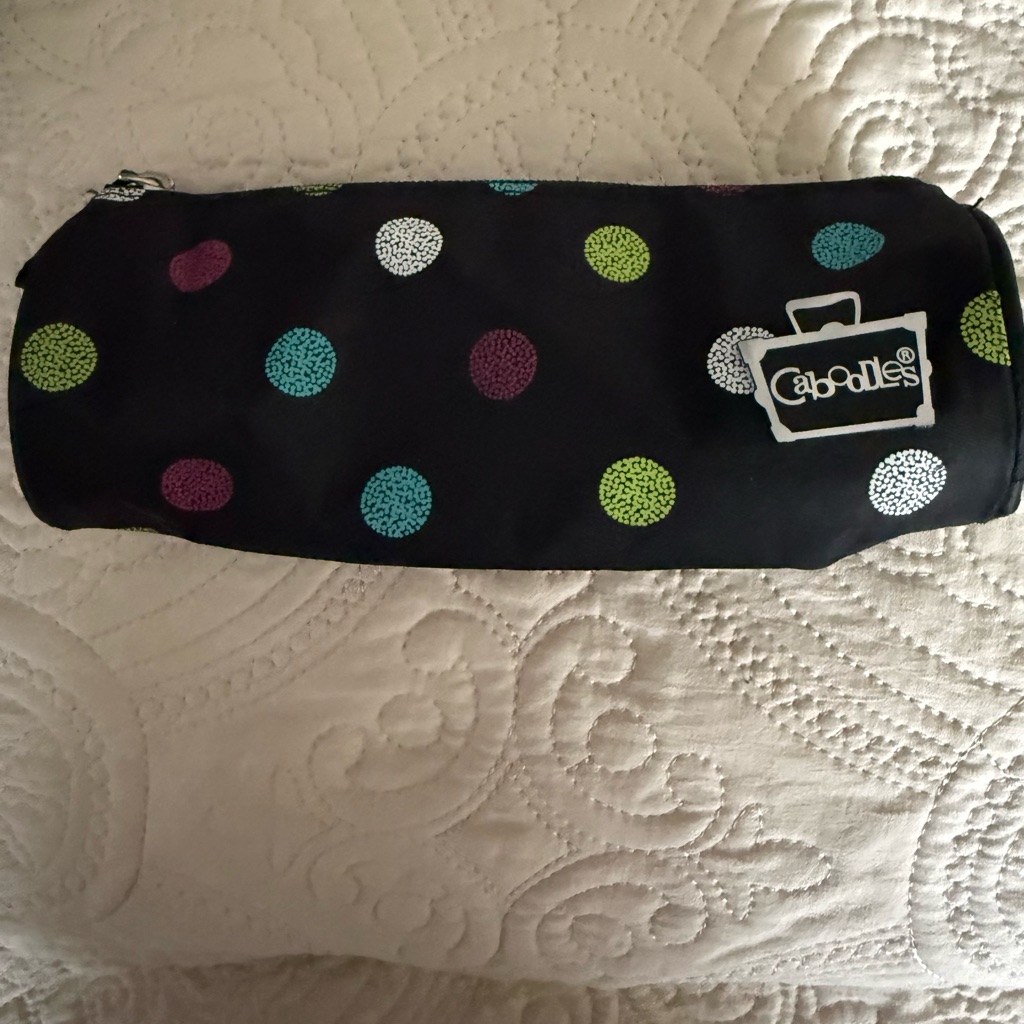
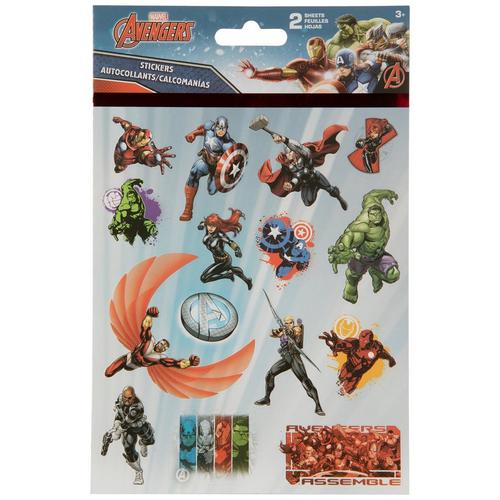
Two things fall out of that table. Vintage content carries about half again as much marketplace exposure as seasonal gifting content does. And in the nostalgia category the marketplace item is the more expensive one — $18 against $11.99 — because the retail comparison is a new $2 notebook and the marketplace item is a discontinued object with no new equivalent.
What that costs you, in order
- Dead links, silently. A sold marketplace listing does not warn anyone. The post keeps ranking and keeps sending readers to nothing.
- Trust, before money. A reader who clicks two dead links stops clicking. That cost lands long before any commission would have.
- Rewrite labour. Vintage posts need re-verification on a schedule. Content in a category with 35% one-of-one inventory is not write-once.
What we do about it, concretely
Three rules, and they are the reason our vintage pages look different from the usual roundup.
- Lead with what is still made. Where a product is still in production — and in this batch a surprising number were — the durable link is the retailer one, and the marketplace listing is the footnote.
- Publish the statistic, not just the listing. “3648 listings, median $14.99, verified on 31 August 2026” stays true and useful after the individual listings die. A bare list of links does not.
- Say when it is empty. If there is no verifiable listing, the honest answer is that there is no verifiable listing. Better empty than wrong is not a slogan for us; it is the thing that keeps a vintage page worth reading a year later.
Last verified 31 August 2026. Method: eighteen nostalgia and twenty seasonal product queries against one affiliate network's US product feeds, deduplicated on advertiser plus title plus price. Peer-to-peer is defined as marketplaces where individuals list single items. Prices move; read them as the market on that date, not a promise. Peer-to-peer marketplace asks of $500 or more are excluded as seller placeholders, as are repdigit asks such as $1,234 and $9,999 wherever they appear; retailer prices are used as published.
Questions
Why do vintage affiliate links break so often?
Because most vintage inventory is peer-to-peer: one item, one seller. On 31 August 2026, 35.5% of nostalgia listings we priced were marketplace listings, and a marketplace listing disappears when the item sells.
Is it worth writing about discontinued products at all?
Yes, if the page answers the question rather than just listing links. Identification, dating and price statistics stay true after the listings die.
Do peer-to-peer items cost more or less?
It depends on the category. In nostalgia the marketplace median ($18) was above the retail median ($11.99); in seasonal gifting it was well below.
Read next
Affiliate programs for holiday gift guides · What those fold-out sticker strips are