Where is the linkable catalogue for fashion creators?
Part of: For creators
Fashion has the deepest linkable catalogue of any category we measured: about 150,940,975 in-stock US listings on 1 September 2026, against roughly 234,686 for baby goods and 80,488 for luggage. Supply is therefore not what limits a fashion creator’s income. Order value, returns and one-of-one resale listings are.
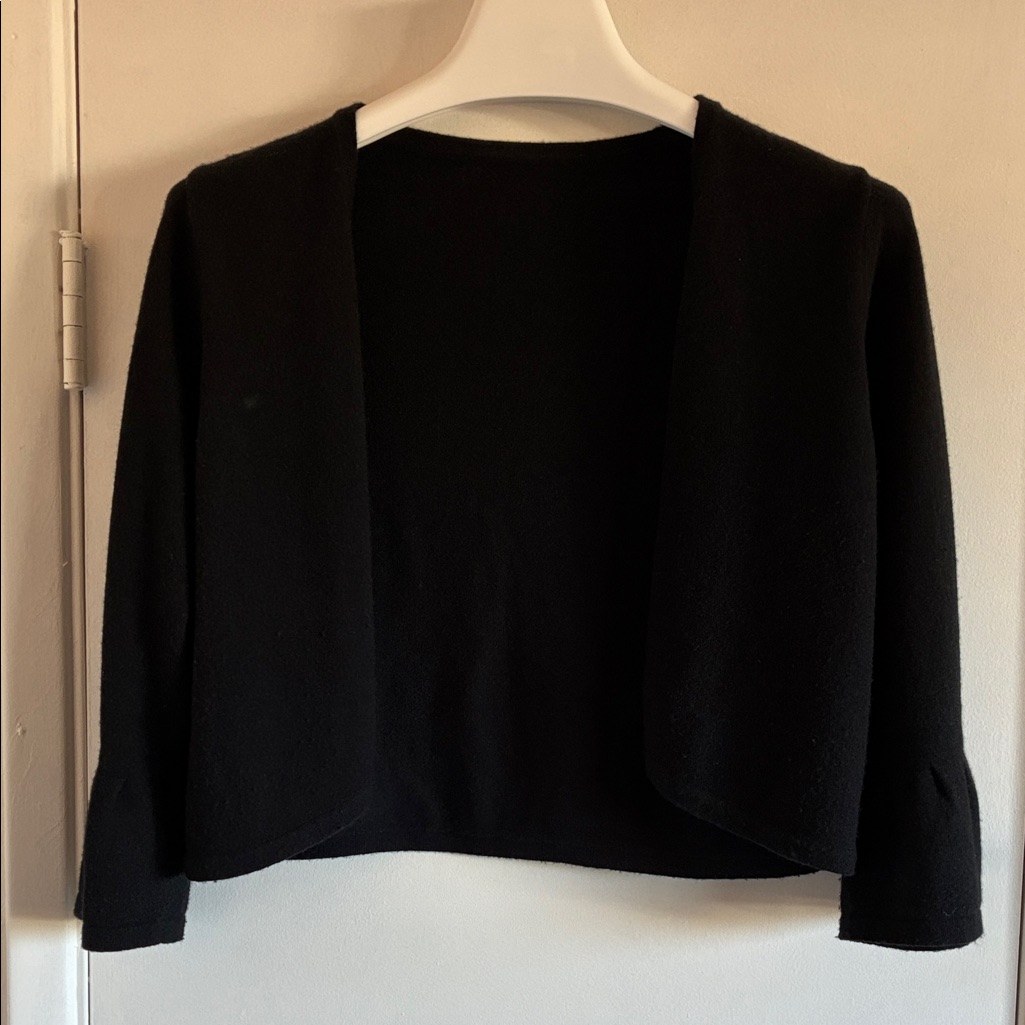
How deep the catalogue actually is
Pulled live during this run: 150,940,975 in-stock apparel and accessories listings from US retailer feeds. In a 600-row sample the median price was $50.00, with 152 rows under $25 and 189 at $100 or above, and 18 distinct retailers appearing.
Two consequences follow directly, and they point in opposite directions:
- Good: a dead link is nearly always replaceable. If a jacket sells out you can find an equivalent in the same price band in under a minute, so a fashion back catalogue can be maintained rather than abandoned.
- Bad: everyone else can do that too. Depth means no scarcity advantage, so what you are selling is judgment about which item is worth owning, not access to it.
Six subcategories, priced on 1 September 2026
Each row is a keyword pull against live US in-stock feeds, filtered to listings whose titles actually contain the item type, then de-duplicated by retailer and title.
| Subcategory | Listings matched | Median | Middle half | Retailers |
|---|---|---|---|---|
| Dresses | 182 | $49.12 | $22.00 – $68.00 | 9 |
| Denim jeans | 211 | $25.00 | $15.00 – $38.00 | 4 |
| Sneakers | 54 | $40.00 | $25.00 – $79.00 | 7 |
| Handbags | 198 | $102.50 | $30.00 – $3,499.00 | 3 |
| Jewellery | 194 | $20.00 | $16.00 – $28.00 | 4 |
| Outerwear | 223 | $35.00 | $21.00 – $72.00 | 5 |
Method: CJ product API, US advertisers, in-stock only, three pages of 100 per keyword set, pulled 1 September 2026. "Middle half" is the 25th to 75th percentile of the matched rows. These describe the rows matched, not the whole subcategory.
Handbags
- The widest spread by far: a middle half running from $30.00 to $3,499.00, because designer resale sits in the same result set as $30 totes.
- That spread is an opportunity and a trap: the high rows lift your average order value, and they are also the rows most likely to be one-of-one and to disappear.
- Only 3 retailers appeared in our sample, so this is the fashion subcategory most exposed to a single programme rejection.
Dresses
- Median $49.12, middle half $22.00 to $68.00. A solid order value with real breadth of supply.
- The highest-return subcategory in fashion, which matters because a returned order is a reversed commission.
- Size-inclusive coverage varies enormously between retailers; check it before you build a series around one merchant.
Outerwear
- 223 matched listings, median $35.00. Strongly seasonal, which makes it a Q4 category rather than a year-round one.
- Outerwear posts published in September are the ones that rank in November, so this is where the seasonal calendar earns its keep.
Denim
- Median $25.00 — lower than dresses, and only 4 retailers in the sample.
- Fit language does the selling here. Rise, leg and inseam are what a reader searches, and they are what a listing usually fails to state.
Sneakers
- The thinnest fashion subcategory we matched, at 54 listings, with a median of $40.00.
- Thin supply plus high demand is the worst combination for link durability: popular sizes sell out first, so the link works for exactly the people least likely to buy.
Jewellery
- Median $20.00, the tightest middle half in the table at $16.00 to $28.00.
- Low order value, high volume, almost no returns. It is the subcategory where click-to-order rate does the work rather than order size.
Keep reading
Three things that shrink fashion earnings
Returns
- Apparel returns more heavily than any other category we cover, and a returned order is a reversed commission under a cost-per-action model.
- Your reported earnings are therefore always ahead of your real earnings for several weeks. Track the reversal rate rather than the headline.
- The practical mitigation is editorial: say what the fit runs like, and stop recommending items you would not size confidently yourself.
Sale price, not list price
- Most programmes pay on what the customer actually paid. In a category where a large share of the catalogue is permanently marked down, your effective order value is below the price shown in the feed.
- This is why a headline commission rate is a poor predictor of income, and why earnings per click is the metric worth tracking.
One-of-one resale listings
- Peer-to-peer marketplace items are unique. When the item sells, your link stops earning and nothing tells you.
- Depth saves you here, but only if you actually go back: an equivalent exists, and it will not swap itself in.
An application order that follows the data
- Start where your own links already point. Count the retailers in your published posts and apply to those first; the approval that turns the most existing links live is worth more than the one with the best headline terms.
- Then the broadest catalogue in your price band. In our sample the sub-$25 end of apparel was where supply was deepest, so a creator working under $25 has the most programmes to choose between and the least reason to accept bad terms.
- Then the subcategory-specific merchants, which is where handbags and sneakers actually live — both were concentrated in very few retailers in our sample.
- Marketplace programmes last, not because they are bad but because their inventory is one-of-one, so they are the worst foundation for evergreen pages.
The number this page will not give you
Last verified 1 September 2026 against a live CJ product-feed pull of 150,940,975 in-stock US apparel listings and six subcategory keyword pulls, all taken during this run
Some links here are affiliate links. LinkToLooks has earned $0 from them to date — no network has approved us yet — so nothing on this page is picked to hit a payout.
Frequently asked
What are the best affiliate programmes for fashion creators?
The ones your existing posts already point at, applied to first. Apparel supply is deep enough — about 150,940,975 live US listings on 1 September 2026 — that no single programme is essential, so the approval that turns the most of your published links live is worth more than any ranking.
How much do fashion creators earn per sale?
We can give you the measurable half: the median apparel listing in our 1 September 2026 sample was $50.00, with the middle of the distribution spread from about $12.00 to $198.00. The commission rate applied to that is programme-specific and we could not pull it from any source we can show you.
Which fashion subcategory has the highest order value?
Handbags, by a distance: a median of $102.50 against $20.00 for jewellery in the same pull. Handbags were also the most concentrated, appearing from only a few retailers, so the higher value comes with more supply risk.
Why do my fashion commissions get reversed?
Returns. Apparel returns more than any other category we cover, and a returned order reverses the commission because the action did not stand. Expect reported earnings to run ahead of real earnings for several weeks.
Sources and scope
- All counts, medians and percentiles: CJ product API, US advertisers, in-stock only, pulled 1 September 2026 during this run. Query-root introspection on the same date confirmed the API exposes no commission or programme data.
- Order-value arithmetic by product family: how much a creator earns per sale.
- Link decay in one-of-one inventory: what happens when an affiliate link goes dead.