LinkToLooks · Guides · Reference Desk
Reference Desk
How much jewellery is already discounted before Black Friday?
Nine categories, 1,985 listings, 82 days early — and the reason those big median cuts are not what they look like.
Part of: Black Friday and Cyber Monday
Nearly half of the jewellery and watch catalogue is already marked down in early September. Across 1,976 live listings in nine categories pulled on 3 September 2026, 942 — 47.7% — carried a price below their own stated list price, at median cuts of 18% to 67% depending on the category.
That is 82 days before Black Friday. The honest reading is not “do not wait” — it is that in this category a markdown is the normal state of a listing rather than an event, so “on sale” carries very little information here.
Last verified 3 September 2026 against 1,976 live listings across nine jewellery and watch categories
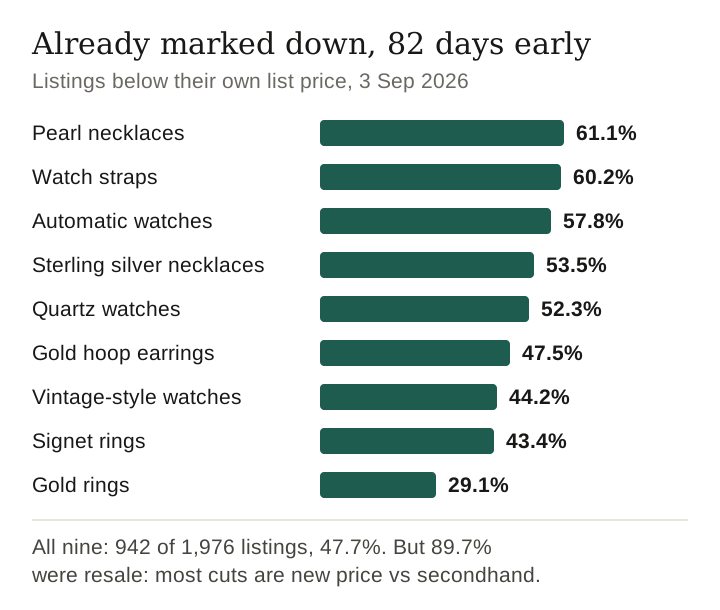
Discount share by category
| Category | Listings | Marked down | Share | Median cut | Median price |
|---|---|---|---|---|---|
| Pearl necklaces | 303 | 185 | 61.1% | 58.3% | $22.00 |
| Watch straps | 93 | 56 | 60.2% | 18.3% | $19.00 |
| Automatic watches | 45 | 26 | 57.8% | 45.8% | $89.00 |
| Sterling silver necklaces | 359 | 192 | 53.5% | 58.7% | $35.00 |
| Quartz watches | 174 | 91 | 52.3% | 67.1% | $20.00 |
| Gold hoop earrings | 362 | 172 | 47.5% | 52.4% | $13.00 |
| Vintage-style watches | 129 | 57 | 44.2% | 55.0% | $32.00 |
| Signet rings | 99 | 43 | 43.4% | 34.6% | $48.00 |
| Gold rings | 412 | 120 | 29.1% | 44.1% | $530.00 |
Placeholder prices — $999, $7,777, $999,999 and similar feed sentinels — are excluded from every median on this page. They are not offers.
Seven of nine categories sit between 44% and 60%. The outlier at the bottom is gold rings, and it is the interesting one: the highest median price in the table and much the lowest markdown share. Expensive things are discounted less often here, which is the opposite of the pattern a shopper expects from a deal season.
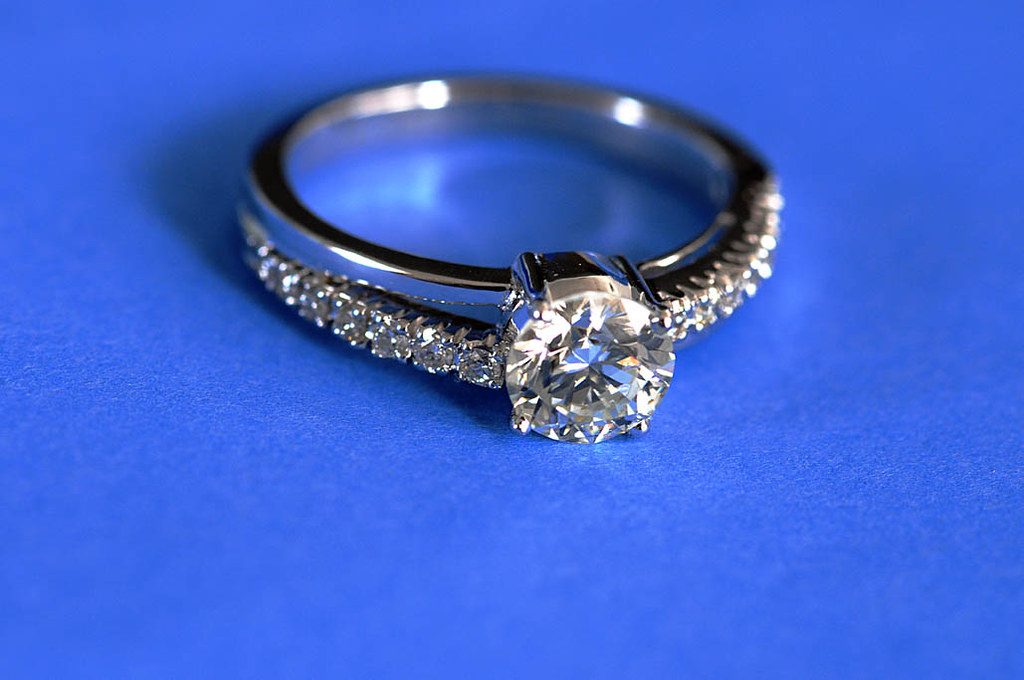
What a markdown means in this catalogue
Before anyone treats 47.7% as good news, the composition matters. Nearly nine in ten of these listings come from resale marketplaces, where the “was” price is typically the original retail price a private seller has typed in rather than a price anyone was charging last week.
That is why the median cuts look so large. A 58% or 67% median reduction is not a retailer clearing stock; it is the ordinary gap between what something cost new and what it fetches secondhand. Reported as a discount it is technically accurate and practically misleading, and we would rather say that than quote the number flat.
Our own earlier measurement across a much wider catalogue found the same shape from the other direction: of listings carrying both a list and a sale price, about half showed no real reduction at all. A strike-through price is a formatting decision as much as a commercial one.
So should you wait for Black Friday?
Three honest answers, depending on which category you are in.
For resale jewellery, waiting buys you very little
Individual sellers do not run Black Friday. A resale listing is priced by one person against one item, and the discount season that moves retail prices does not reach it. What does move is supply: the specific piece you are looking at may simply be gone.
For the retail fringe, the season is real but this catalogue barely contains it
Of 1,976 listings, only about one in ten came from a conventional retailer. There is a real Black Friday market in jewellery and watches; it is mostly not visible in affiliate catalogues, which is a fact about our data and not about the market.
For gold, the metal price is the floor
The category with the lowest markdown share is the one where the material is most of the cost. That is not a seasonal effect and Black Friday will not change it.
How to tell a real cut from a decorative one
- Ask what the higher number is. A retailer’s own former price is a discount. A private seller’s memory of retail is not.
- Compare across sellers, not against the strike-through. The only meaningful comparison is what else the same thing costs today.
- Distrust round numbers in the “was” field. $999, $7,777 and $999,999 all appear in this data as placeholders rather than prices, and we excluded them for exactly that reason.
- Check the date on any price you read, including ours. Every figure on this page is from 3 September 2026 and will drift.
Frequently asked
How much jewellery is already discounted before Black Friday?
942 of 1,976 live listings — 47.7% — carried a price below their own list price on 3 September 2026, across nine jewellery and watch categories.
Which category is discounted most?
Pearl necklaces, at 61.1% of 303 listings.
Which is discounted least?
Gold rings, at 29.1%, and it also had the highest median price in the sample.
Are these real discounts?
Often not in the retail sense. Nearly nine in ten listings were resale, where the higher price is usually original retail rather than a recent asking price.
Is it worth waiting for Black Friday to buy jewellery?
For resale listings, waiting mostly risks the item selling. For conventional retailers the season is real, but they were about one listing in ten in this catalogue.
Method and limits
- 1,976 US-priced in-stock listings across nine seed categories, pulled 3 September 2026, de-duplicated on retailer, title and destination URL, filtered strictly on the listing title.
- “Marked down” means the listing carried a sale price genuinely below its own stated list price. Placeholder prices are excluded.
- Composition caveat, stated as prominently as the finding: 89.7% of these listings came from marketplace sellers. This measures resale pricing far more than retail pricing.
- Not measured: what any of these items cost last November. We hold no price history for this category and are not going to model one.
- Nine categories, one morning, one network. A floor, not a census.
Keep reading
How this page was made. Drafted with AI (Claude); not yet independently re-checked. How we work