Creator economy · Content craft
What a product listing does not tell you
Four checks run this morning, and the specification that was missing from every single listing we looked at.
Some links here are affiliate links — if you buy, the retailer may pay us a commission at no extra cost to you. We have earned $0 from them so far. Here’s how it works.
Part of: For creators
Product listings are written to be found, not to be described. Across four checks we ran on 3 September 2026, the specification a reader most needed was missing far more often than it was present — and in one case it was missing from every single listing.
If you write about products you cannot hold, this is the shape of the problem: 0 of 784 knitwear listings stated a fabric weight or a knit gauge; 430 of 600 espresso listings stated no brew pressure; 52% of 7,716 titles did not name a brand.
The gaps we measured today
These are four separate checks run against live US retailer listings this morning. Each one asked a simple question: does the listing tell a reader the thing that decides whether the product is right for them?
| What a reader needs | Category | Listings checked | Stated it | Missing |
|---|---|---|---|---|
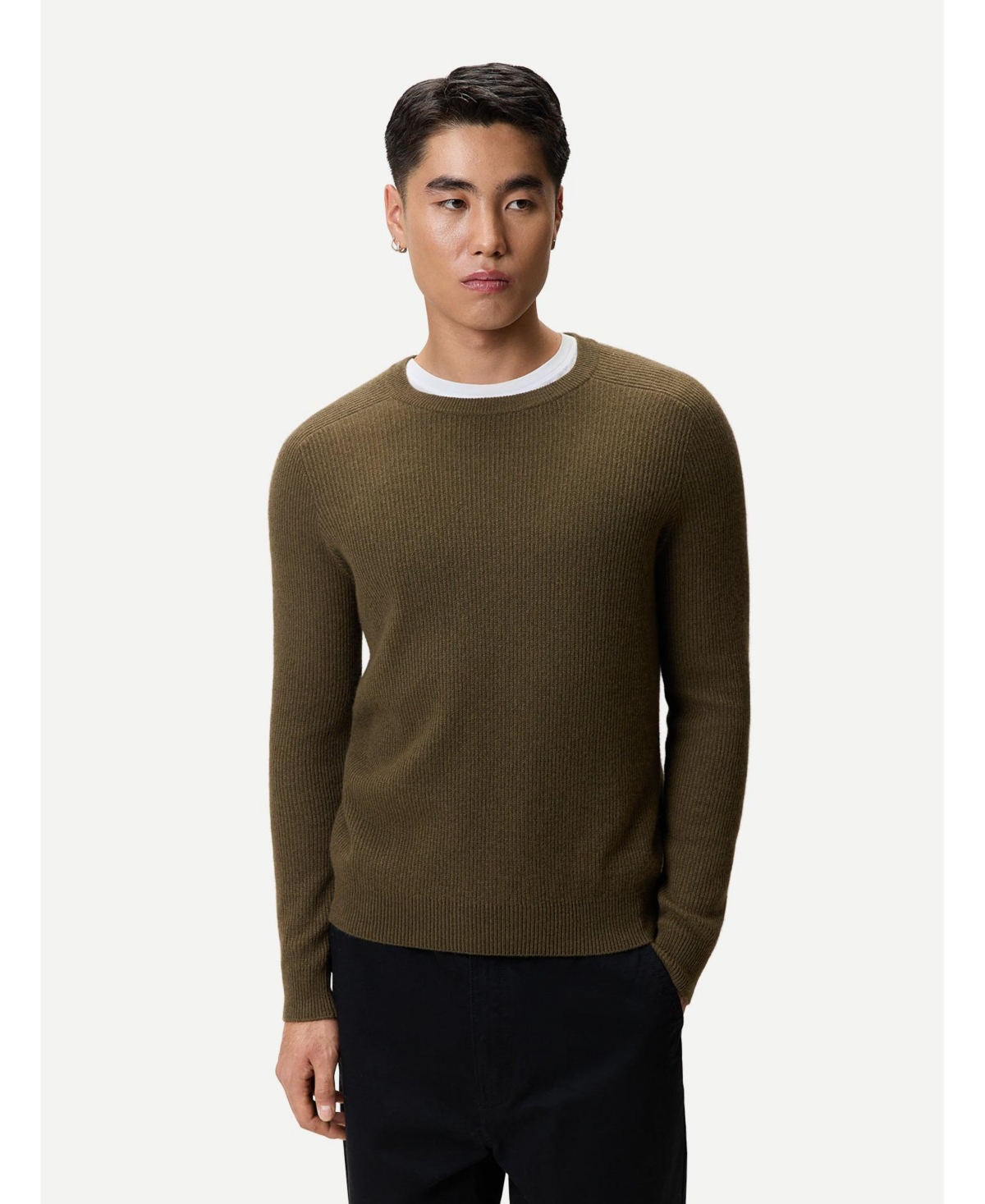
| Fabric weight or knit gauge | Cashmere and merino knitwear | 784 | 0 | 784 (100%) |
| Fibre composition | Cashmere knitwear | 420 | 247 | 173 (41%) |
| Fibre composition | Merino knitwear | 364 | 105 | 259 (71%) |
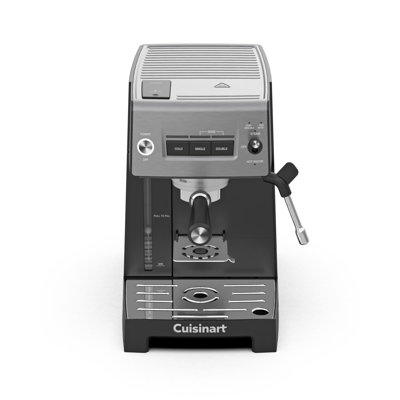
| Brew pressure figure | Espresso machines | 600 | 170 | 430 (72%) |
| Country of manufacture | One footwear brand's retail listings | 43 | 30 | 13 (30%) |
| A brand name in the title | All categories | 7,716 | 3,698 | 4,018 (52%) |
Live US in-stock listings pulled from the CJ product catalogue on 3 September 2026. Titles and descriptions searched together.
Prices checked 3 September 2026 against live US retailer listings pulled during this run.
The first row is the one worth remembering. Not one listing in 784 stated a fabric weight or a knit gauge, and those are the two figures that decide whether a jumper is warm. Every listing had a price, a photograph and a title. None had the number.
What the titles are like
We looked at 7,716 live product titles across fourteen categories and counted what a creator could actually do with them.
| Property of the title | Listings | Share |
|---|---|---|
| Median length | — | 5 words |
| No brand name anywhere in it | 4,018 | 52.1% |
| Generic category noun only, three words or fewer | 1,407 | 18.2% |
| Twelve words or longer | 586 | 7.6% |
| Wrapped in stray quotation marks | 120 | 1.6% |
| Written in all capitals | 20 | 0.3% |
7,716 live US in-stock listings across fourteen product families, 3 September 2026.
The single most repeated title in the sample was ‘Coffee Mug’, on 390 separate listings. ‘Hiking Boots’ appeared 102 times, ‘Cat Tree’ 81, ‘Cashmere’ 16. These are not descriptions of products. They are category labels attached to specific objects.
Keep reading
Why this happens
- Feeds are merchandising infrastructure. They exist so a product can be found and sold, not so a third party can describe it accurately.
- A title has to be short to display. Five words is the median because five words fits a grid tile.
- The specification lives on the product page, not in the feed. Sometimes. Often it does not live anywhere.
- House brands have no brand to name. Half the unbranded titles are retailer own-label goods, which is also why 52% is so high.
- Nobody is doing anything wrong. This is not a scandal; it is a mismatch between what a feed is for and what a writer needs from it.
What to ask a brand for
If you have a contact at the brand, these are the questions that close the gaps above, in the order they are most often missing:
- What does it weigh, and what is it made of? Covers the entire knitwear problem in one question.
- What are the actual dimensions? Titles quote capacity and size inconsistently; the specification does not.
- Where is it made? Missing from three in ten of the listings we checked even for a brand that publishes the answer prominently.
- What is the model or article number? The single most useful thing for making a link durable, and almost never in a title.
- Is this the current version? Feeds carry discontinued stock alongside current stock with no marker.
How to write around a gap honestly
- Name the gap. ‘The listing does not give a weight’ is a sentence your reader will thank you for.
- Do not fill it with a plausible number. This is the single most common failure in product writing and the hardest to detect after the fact.
- Separate what you checked from what you were told. We keep those in different paragraphs on every page for exactly this reason.
- Date what you checked. A price or a specification is true at a moment. Say which moment.
- Say when you have not used something. It costs less credibility than people fear and it is the only version that survives a reader finding out.
Frequently asked
What information is missing from product listings?
In our 3 September 2026 checks: knit gauge and fabric weight (0 of 784 knitwear listings), fibre composition (missing from 41% of cashmere and 71% of merino listings), brew pressure (missing from 430 of 600 espresso listings) and country of manufacture (missing from 13 of 43 listings we checked).
Why do retailers leave specifications out?
Feeds are built for search and merchandising, not for someone writing about the product. A title has to be findable; it does not have to be descriptive. 52% of the 7,716 titles we checked did not name a brand.
What should a creator do about it?
Ask the brand, and say plainly in the post what you could not confirm. An honest gap is more useful to a reader than a specification you guessed at.
Is the product feed price reliable?
It is reliable as of the moment it is pulled, and stale after that. Everything we publish carries the date it was true, which is the only honest way to handle it.
Method and scope
- Knitwear check: 784 live US in-stock cashmere and merino knitwear listings, title and description searched for ply, gauge, weight and blend-percentage language, 3 September 2026.
- Espresso check: 600 live US espresso machine listings searched for a bar figure in title and description, same date.
- Country-of-manufacture check: 43 non-marketplace listings for one footwear brand, same date.
- Title check: 7,716 live US listings across fourteen product families, same date. A title counts as naming a brand when the feed's own brand field appears in it.
- All counts describe one catalogue on one morning and are floors rather than censuses.
Last verified 3 September 2026 against four separate disclosure checks across 7,716 live US retailer listings, run during this run
Keep reading
How this guide was made. We research and draft these guides with AI, then a person checks every price, link and factual claim against the source before it publishes. We work this way because it lets us re-verify prices across hundreds of guides in a day, which is what keeps the numbers here current; it does not decide what we recommend. Anything we could not verify is labelled as unverified rather than filled in.