Answers · Kitchen and cookware
Are Dutch ovens and French ovens the same thing?
One is a marketing name for the other. The distinction that actually changes what you own is a different one entirely.
Some links here are affiliate links — if you buy, the retailer may pay us a commission at no extra cost to you. We have earned $0 from them so far. Here’s how it works.
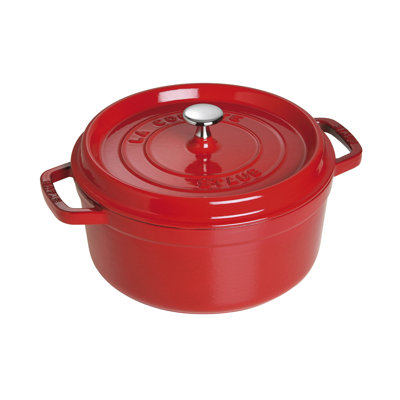
Yes. A French oven is an enamelled cast iron Dutch oven, and the difference is the label on the box. No standard, specification or measurement separates them; makers with French heritage tend to use ‘French oven’ and ‘cocotte’, and everyone else says ‘Dutch oven’.
The distinction that does matter is enamelled versus bare cast iron, and both are sold under both names. In 797 live US Dutch oven listings pulled on 3 September 2026, only 241 said ‘enamel’ in the title at all — so the word in the title tells you less than the specification does.
The names, and who uses which
| Name | Used by | What it describes |
|---|---|---|
| Dutch oven | Most US makers and retailers | A heavy lidded pot, cast iron, enamelled or bare |
| French oven | Makers with French heritage, marketing copy | The same pot, enamelled |
| Cocotte | Staub, and French-language listings | The same pot; Staub's product name |
| Braiser | Most makers | A shallow, wide version of the same pot with a low lid |
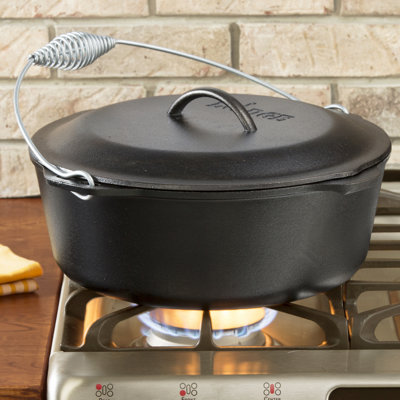
| Camp Dutch oven | Outdoor and farm retailers | A different object: legs, flanged lid, built for coals |
Naming as observed across live US retailer listings, 3 September 2026.
Only the last two rows describe something structurally different. A braiser is genuinely a different shape for a different job. A camp Dutch oven has legs and a rimmed lid designed to hold hot coals on top, and our pull found them listed at sporting-goods retailers alongside the kitchen pots, under the same two words.
The difference that is real
- Enamelled cast iron. Glass coating fused to the iron. No seasoning needed, safe with acidic food and wine, can chip if knocked or heated empty. This is what ‘French oven’ almost always means.
- Bare cast iron. Needs seasoning and maintenance, handles higher direct heat, will react with long acidic cooking. Cheaper, and sold under the Dutch oven name constantly.
- Enamelled steel. A third thing that appears in the same search results. Much lighter, much cheaper, heats and cools faster. Not a substitute if the recipe depends on the mass of the iron.
- Lid weight and fit. Varies by maker and matters more than the name, because it is what keeps moisture in. It is also the one property you cannot read off a listing.
Keep identifying
What the naming does to the price
The name is not neutral. Listings that describe themselves as enamelled sit at a very different price from listings that do not, in the same category on the same day.
| Listing group | Live listings | Median price |
|---|---|---|
| All ‘Dutch oven’ listings | 797 | $95.81 |
| Those saying ‘enamel’ in the title | 241 | $285.00 |
| Le Creuset pots | 157 | $419.95 |
| Staub pots (sold as cocottes) | 140 | $299.99 |
| Lodge pots | 76 | $79.94 |
Live US in-stock listings, pulled 3 September 2026.
Prices checked 3 September 2026 against live US retailer listings pulled during this run.
So the practical version of the answer: if you are comparing a ‘French oven’ against a ‘Dutch oven’ and the price differs by three hundred dollars, you are not looking at a naming difference. You are looking at enamelled against bare, or a named maker against an own brand. Read the material line in the specification and ignore the noun in the title.
Frequently asked
Is a French oven the same as a Dutch oven?
Functionally yes. 'French oven' is a marketing name for an enamelled cast iron Dutch oven, used chiefly by makers with French heritage. There is no technical specification that separates the two.
What is a cocotte?
Cocotte is the French word for the same pot, used by Staub as its product name. A 'round cocotte' and a 'round Dutch oven' describe the same object.
Why is it called a Dutch oven at all?
The name predates the enamel and refers to a cast iron sand-casting method associated with Dutch foundries in the 17th and 18th centuries. The modern pot inherits the name, not the process.
Does it matter which one I buy?
The name does not. Enamelled versus bare cast iron does: bare iron needs seasoning and does not suit long acidic cooking, enamelled does not need seasoning and can chip. Both are sold under both names.
Is a camp Dutch oven the same thing?
No. A camp Dutch oven has legs and a flat, flanged lid built to hold coals. It shares the name and almost nothing else.
Method and scope
- 797 live US in-stock listings containing ‘Dutch oven’ in the title, pulled from the CJ product catalogue on 3 September 2026, plus brand-filtered pulls for Le Creuset, Staub and Lodge.
- Naming conventions are taken from how makers and retailers describe their own products in those live listings.
- The material descriptions come from makers' published product information. We have not cooked in or handled any pot described here.
Last verified 3 September 2026 against 797 live US Dutch oven listings and the naming used across them, pulled during this run
Keep identifying
How this guide was made. We research and draft these guides with AI, then a person checks every price, link and factual claim against the source before it publishes. We work this way because it lets us re-verify prices across hundreds of guides in a day, which is what keeps the numbers here current; it does not decide what we recommend. Anything we could not verify is labelled as unverified rather than filled in.