Creator economy · Niche guides
How much do travel creators earn from the products they link?
Travel creators run two businesses under one job title, and only one of them shows up in a product catalogue. Here is that half, measured, with the other half named rather than estimated.
Some links here are affiliate links — if you buy, the retailer may pay us a commission at no extra cost to you. We have earned $0 from them so far. Here’s how it works.
Part of: For creators
We will not give you one number, because a travel creator’s income comes from two businesses and only one of them is measurable from a product catalogue. On the product side, measured on 2 September 2026: suitcases returned 160 live US listings across 20 retailers at a median of $60.78, travel backpacks 36 listings at $55.98, and travel accessories 78 listings at $17.50. On the booking side — hotels, flights, tours — we hold no data and publish no estimate.
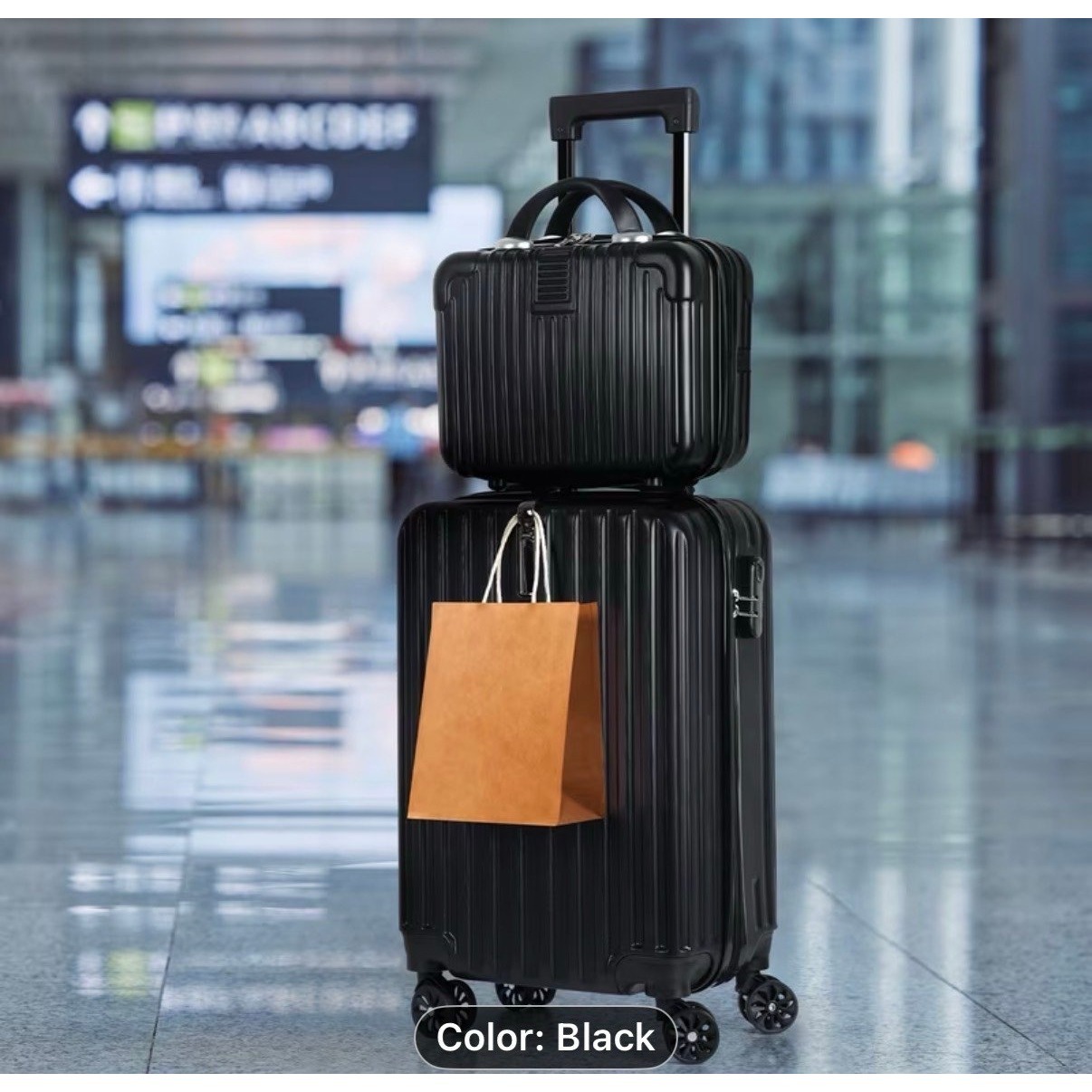
Two businesses wearing one job title
A travel creator with 40,000 followers and a travel creator with 40,000 followers can have entirely different income statements, and the difference is rarely audience quality. It is which of these two businesses they are actually in:
- Bookings. Hotels, flights, tours, insurance, rail passes. Large basket sizes, long consideration windows, and commercial terms that live inside booking platforms rather than product feeds.
- Products. The bag, the packing cubes, the adaptor, the camera strap. Small basket sizes, immediate intent, and terms that live in ordinary retail affiliate programmes.
Almost every published answer to “how much do travel creators earn” silently averages the two and reports a number that describes neither. We can measure the second, so that is what this page does, and we say plainly that the first is missing.
The product half, measured
| Subcategory | Listings matched | Median | Middle half | Distinct retailers | Carrying a sale price |
|---|---|---|---|---|---|
| Suitcases | 160 | $60.78 | $25.00 – $123.99 | 20 | 53 |
| Travel backpacks | 36 | $55.98 | $32.00 – $125.00 | 4 | 17 |
| Packing organisers | 20 | $37.50 | $30.00 – $65.00 | 3 | 6 |
| Travel accessories | 78 | $17.50 | $10.00 – $28.00 | 3 | 45 |
Method: CJ product API, US advertisers, five travel seed terms pulled during this run on 2 September 2026, de-duplicated by link and title into a pool of 815 rows, then filtered to titles naming the product type.
The sale-price column is the one to look at twice. In travel accessories, 45 of 78 matched listings carried a price below list — well over half. Commission is normally paid on what the buyer pays, so in this subcategory the base your rate multiplies against is usually below the number on the page.
Four subcategories, in order of usefulness
Suitcases
- 160 matched listings, 20 retailers, median $60.78, middle half $25.00 to $123.99.
- The only travel subcategory with genuine retailer competition, which means a rejection is survivable.
- Wide price spread is an advantage, not noise: it lets one post serve a budget reader and a premium one without a second link.
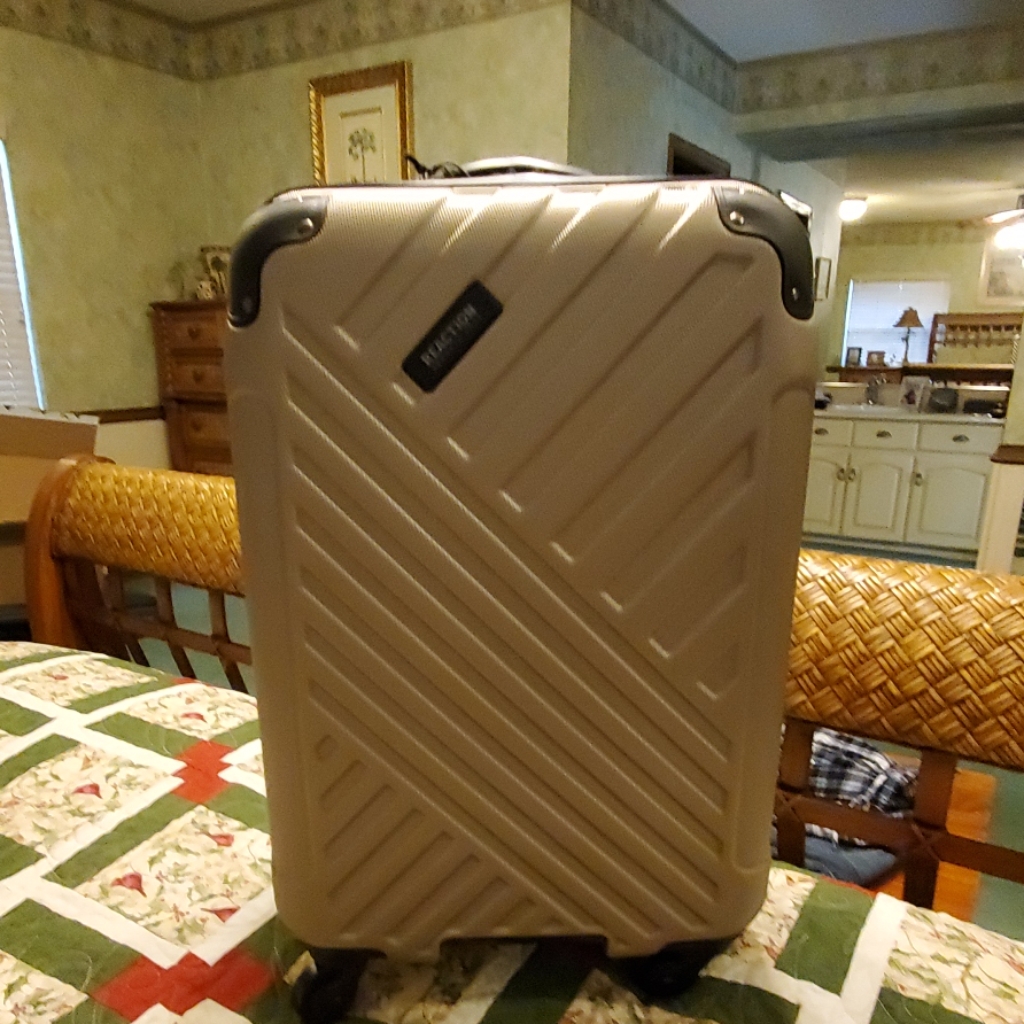
Travel backpacks
- 36 matched listings at a $55.98 median, but only 4 retailers.
- Nearly half carried a sale price.
- The subcategory with the strongest content-to-product fit in travel: a packing video is a backpack demonstration whether or not it is meant to be one.
Packing organisers
- 20 matched listings, 3 retailers, median $37.50.
- Thin, and the middle half is narrow at $30.00 to $65.00 — there is no budget end of this market in the catalogue.
- Best used as the second item in a post rather than the subject of one.
Travel accessories
- 78 matched listings, median $17.50, and the heaviest discounting in the pull.
- Three retailers only, so choice is limited despite the depth.
- These are volume items. A packing-list post carrying eight of them behaves completely differently from a post carrying one.
Keep reading
Building a range instead of quoting a number
If you want a figure for the product half of your own business, build it from your own numbers rather than borrowing ours. The arithmetic is short:
- Take the median order value for what you actually link. Suitcases: $60.78 on this date.
- Apply the commission rate your own programme terms give you. We publish none, because we could not source one that was current and citable.
- Multiply by the number of orders you can evidence from your own statements, not by a conversion rate you read somewhere.
- Report the answer as a range, because every input above moves.
Last verified 2 September 2026 against live CJ product-feed pulls of five travel seed terms taken during this run, filtered by product type and de-duplicated by link and title
Some links here are affiliate links. LinkToLooks has earned $0 from them to date — no network has approved us yet — so nothing on this page is picked to hit a payout.
Where the catalogue is honestly empty
The position we will argue: link the bag
Spec allows a piece to take a position where the data supports one, so here is ours. Travel creators systematically under-monetise the products and over-chase the bookings, and the numbers say that is backwards for most accounts.
The case rests on three measured things. Luggage was the only travel subcategory with real retailer competition — 20 distinct US retailers against three or four for everything else — so it is the one where a programme rejection is survivable. Its median order value of $60.78 is not small relative to what a product post costs to make, which is nothing extra: the bag is already in the shot. And travel accessories, at a $17.50 median across 78 listings, are volume items that a single packing-list post can carry eight of.
Against that, booking commissions are larger per conversion and we cannot see them at all. That asymmetry is exactly why the advice drifts: the unmeasurable half sounds more serious. But a booking converts rarely, carries a long consideration window, and depends on a platform relationship you may not have. A bag link converts on the same post that was going up anyway.
The honest caveat, stated plainly: we hold no conversion data for either side and are arguing from catalogue structure, not from outcomes. If your own statements say otherwise, your statements win.
Frequently asked
How much do travel creators earn?
There is no single number and anyone quoting one is guessing. We can measure the product half: on 2 September 2026 suitcases showed a median asking price of $60.78 across 20 US retailers and travel accessories $17.50. The booking half, which is where most travel affiliate income sits, is not visible in the data we hold.
Is travel affiliate income mostly from hotels and flights?
For most travel creators, yes. That income comes from booking programmes we cannot see in a product catalogue, so we neither confirm nor quantify it here. What we can say is that the product side is real, measurable and usually ignored.
What travel product is worth linking?
Luggage, on the numbers. It had both the deepest catalogue and the widest retailer choice in our pull: 160 matched listings across 20 retailers. Accessories are cheap but convert alongside it.
Why is the accessories median so low?
Because the category is dominated by small items: passport holders, neck pillows, adaptors. Median $17.50 with a middle half of $10.00 to $28.00. At that order value a single-item post cannot carry itself.
Do travel creators need a media kit?
If you intend to work with tourism boards or hotels, yes. Product affiliate links need no media kit at all, which is part of why they suit creators who are not yet pitching brands.
Sources and scope
- All counts, medians, quartiles, retailer counts and sale-price counts: CJ product API, US advertisers, pulled 2 September 2026 during this run.
- Sample: 815 de-duplicated rows across five travel seed terms, filtered to 294 rows whose titles name the product type.
- No booking commission, earnings figure or conversion rate is asserted.
Keep reading
How this guide was made. We research and draft these guides with AI, then a person checks every price, link and factual claim against the source before it publishes. We work this way because it lets us re-verify prices across hundreds of guides in a day, which is what keeps the numbers here current; it does not decide what we recommend. Anything we could not verify is labelled as unverified rather than filled in.